How to Find a Sewer Gas Smell in Your Home or Shop
A drain odor is a symptom, and the plumber's job is to turn it into an address.
October 7, 2026 · 4 min read
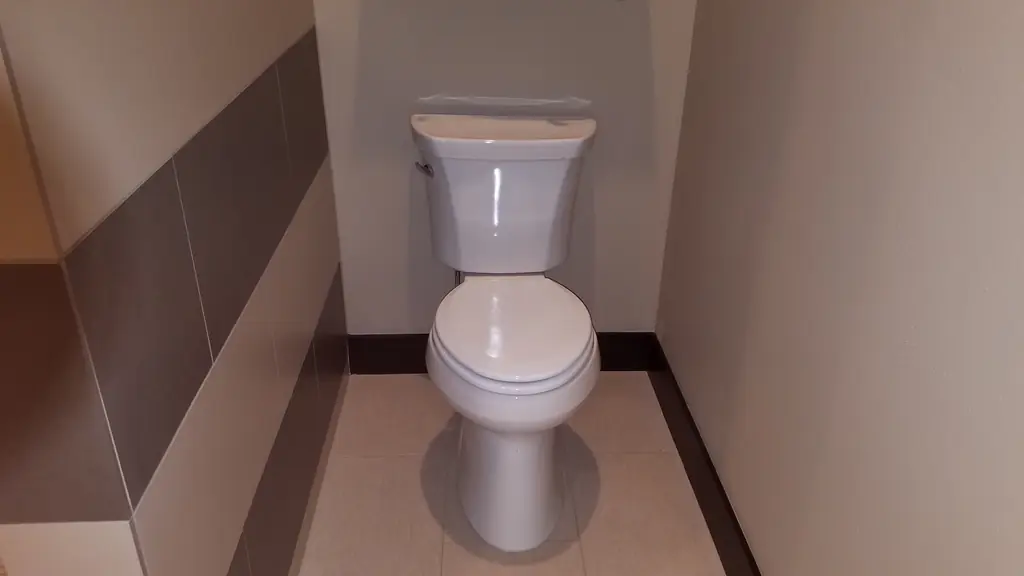
A sewer smell is hard to ignore and harder to pin down. It comes and goes, it is stronger in one room at night, and it can be gone by the time someone shows up to find it. The good news is that the causes are a short list, and most are easy to check. The harder ones have a test that finds the exact spot. Here is how a plumber works through it.
Start with the easy one: a dry trap
Every drain fixture has a trap, a U-shaped or P-shaped bend that holds a little water. That water is a seal. It blocks sewer gas from rising out of the drain and into the room. If a fixture does not get used, the water evaporates and the seal is gone. Guest bathrooms, basement floor drains, utility sinks and a tub nobody showers in are the usual suspects.
The fix is a pitcher of water. Run every fixture, pour water down every floor drain, then wait a day and see whether the smell comes back. A floor drain that dries out often can get a little mineral oil on top of the water to slow evaporation, or a trap primer that refills it on its own.
Toilets: the wax ring and the flange
A toilet sits on a wax ring, or a rubber gasket, that seals it to the drain flange in the floor. If the ring fails, or the toilet has been rocking on a loose flange, gas escapes around the base and sometimes water does too. The signs are a toilet that shifts when you sit down, a stain or soft spot in the floor around the base, and a smell that is strongest right next to the bowl. The repair means pulling the toilet, replacing the seal, checking the flange, and setting it back down snug.
Vents and cracked pipe
Drain pipes need air. A vent line runs from the drain system up through the roof so water can flow without suction and gas has a way to leave. When a vent is blocked by a nest, ice or leaves, the system can pull water out of traps as it drains, and the seals break. When a vent was cut or never reconnected during a remodel, gas can end up in a wall cavity. If a smell shows up when the washer drains or someone flushes upstairs, and you hear gurgling at other fixtures, suspect the vent.
Sewer lines run under floors, inside walls and under the yard. Cast iron rusts through. Old clay and fiber pipe cracks and shifts. Plastic pipe gets nicked by a drill or a shovel, or a joint was never glued all the way. A leak in a drain line lets gas out wherever it is, and under a slab or behind a wall you cannot see it. The smell often points to a room but not to the pipe.
How smoke testing finds the leak
Smoke testing is the tool for that problem. The plumber blocks off the drain system, then pushes a visible, nontoxic smoke through it with a blower. The smoke goes everywhere the gas can go. Wherever the system leaks, smoke shows up: out of a roof vent, around a toilet base, at a crack in the yard, from a dry trap, or along a wall. You watch for the wisp and mark the spot. Tell everyone in the building ahead of time so nobody mistakes it for a fire.
Apex offers Smoke Testing & Odor Location for exactly this reason. A smell in a home or a building is a symptom, and the test turns it into an address.
Sometimes it takes more than one visit
Some smells do not give up on the first pass. One Apex customer had new plumbing installed in a new business space and, a few months later, noticed an unpleasant smell. The Apex crew came back more than once over the following weeks until they traced it to a loose fitting under the floorboards, and fixed it. A fitting that is only slightly loose can leak gas only when the pressure and air movement in the building line up, which is why a smell can come and go. A good plumber keeps going until the source is found and does not write it off as a mystery.
What to tell the plumber
- Which rooms smell, and what time of day it is worst.
- Whether the smell changes when you run water, flush, run the washer, or when the wind picks up.
- Which fixtures and floor drains are rarely used.
- Whether any work has been done on the plumbing, the roof or the floors recently.
- Any gurgling, slow drains or damp spots.
A sewer smell is worth chasing. Gas has no business inside your walls, and a leak that only smells today can turn into water damage later. If you are in the Yakima Valley, call Apex at (509) 575-0148 or request a free quote.
Apex Plumbing & Mechanical Piping, (509) 575-0148
Call (509) 575-0148More articles
Why Your Backflow Assembly Gets Tested Every Year
A backflow assembly looks like a few feet of brass pipe, but it is the only thing standing between your plumbing and the public water supply.
What Gets Decided Before Concrete Covers Radiant Loops
A radiant slab is the one mechanical system you cannot get back to, so the real work happens while the floor is still open.